


Launching a business is an exciting journey, but it often requires financial backing to get off the ground. Whether you’re starting a new venture or looking to grow an existing one, understanding the different sources of entrepreneurial investment is key. Let’s break down what entrepreneur investment is and explore the various avenues available to help you fund your business.
What is Entrepreneurial Investment?
At its core, entrepreneurial investment refers to the capital that entrepreneurs seek to raise to start, expand, or sustain their businesses. This funding can come from a variety of sources, each with its unique pros and cons. Understanding these options will empower you to make informed decisions about financing your entrepreneurial dreams.
Types of Entrepreneurial Investment
1. Personal Savings: The First Step

Many entrepreneurs kickstart their ventures using their own savings. This approach shows a personal commitment to your business idea and can help establish initial trust with potential investors. By investing your own money, you signal that you believe in your vision and are willing to take risks.
2. Loans: Borrowing to Grow

Another common source of funding is loans. Entrepreneurs can secure loans from banks or credit unions, which can be either secured (backed by collateral) or unsecured (based on your creditworthiness). Loans can provide significant capital to help launch or expand your business, but they also come with repayment obligations, so it’s important to consider your ability to pay back the loan.
3. Venture Capital: Partnering for Growth

Venture capital (VC) is a popular choice for startups with high growth potential. VC firms invest in exchange for equity in your company, meaning they own a part of your business. While this can provide substantial funding, it also means giving up some control. Venture capitalists often expect a significant return on their investment, so it’s crucial to have a solid business plan that outlines your growth strategy.
4. Angel Investors: Mentors and Backers

Angel investors are individuals who invest their personal funds in early-stage businesses. In addition to providing capital, they often offer valuable mentorship and industry expertise. In exchange for their investment, angel investors typically take equity in the company or receive convertible debt. Building a relationship with an angel investor can provide not just funding, but also guidance as you navigate the challenges of entrepreneurship.
5. Crowdfunding: Harnessing the Power of the Crowd
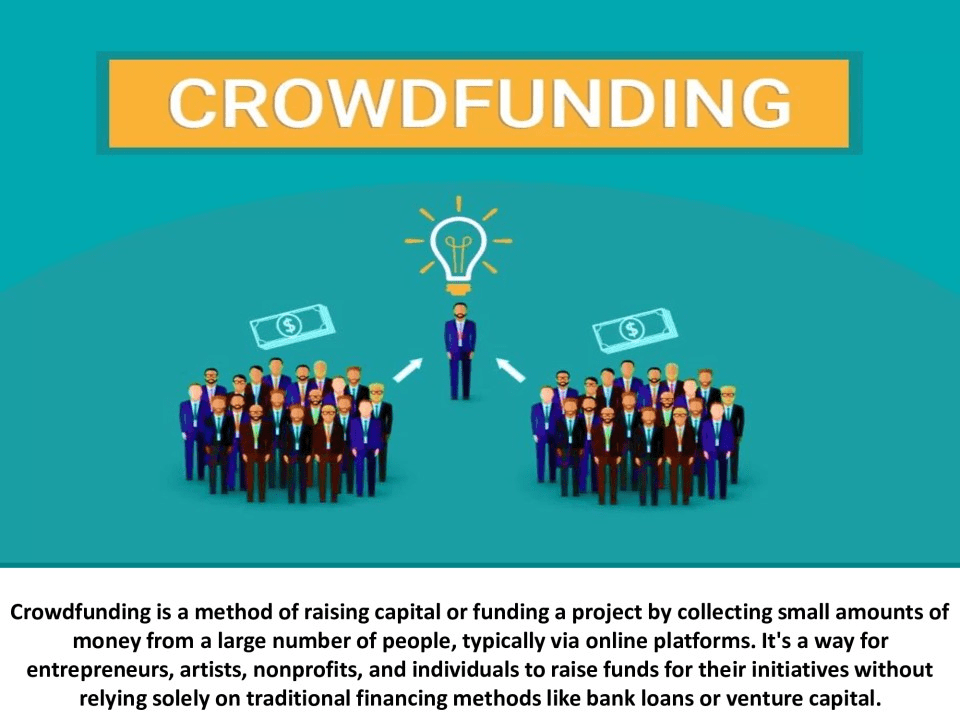
Crowdfunding platforms have become a popular way for entrepreneurs to raise funds from a large number of people. There are two main types of crowdfunding:
- Reward-Based Crowdfunding: Backers contribute money in exchange for a product or service once it’s launched.
- Equity Crowdfunding: Backers invest money in exchange for equity in the company.
Crowdfunding can also serve as a marketing tool, generating buzz around your product before it’s even available.
6. Bootstrapping: Growing on Your Own

Some entrepreneurs prefer to bootstrap their businesses, relying on minimal external capital. This means using revenue generated by the business to fund growth. While this approach requires patience and careful financial management, it allows you to maintain full control and equity in your business.
7. Government Grants and Subsidies: Free Money?

Depending on your industry and location, you may have access to government grants or subsidies to support your business. These funds don’t need to be repaid, making them an attractive option for entrepreneurs. However, the application process can be competitive and time-consuming, so be prepared to demonstrate the viability of your business.
8. Corporate Investments: Strategic Partnerships

Established companies sometimes invest in startups through corporate venture capital programs. These investments can provide not just funding but also valuable resources and connections. If your business aligns with a larger company’s interests, this could be a mutually beneficial partnership.
Preparing for Investment: What You Need to Know
Before seeking investment, it’s crucial to have a well-thought-out business plan. Your plan should clearly outline:
- Your Business Concept: What problem does your business solve?
- Market Research: Who are your competitors, and what’s your target market?
- Financial Projections: How do you plan to use the funds, and what returns can investors expect?
Building strong relationships with potential investors and networking within the entrepreneurial community can also enhance your chances of securing funding.
Final Thoughts
Securing investment is a critical step in the entrepreneurial journey. By understanding the different funding options available, you can choose the best path for your business. Whether you’re using personal savings, seeking loans, or exploring venture capital, each source has its unique advantages and challenges.
So, take the time to explore these funding avenues, develop your business plan, and get ready to turn your entrepreneurial dreams into reality. With the right investment, your startup can thrive and make a lasting impact.
